
About us
Trusted protectors of Kenya’s mountain forests
We make conservation clear, trustworthy, and human. Rhino Ark turns complex field work into real stories, real data, and visible impact people can stand behind.
To continue to be the trusted partner in advocating, developing and implementing high-impact forest, water catchments and endangered wildlife conservation initiatives that tangibly support adjacent local communities.
Who we are
We offer clear evidence of impact, transparent reporting and solutions that strengthen biodiversity, climate resilience and local livelihoods at a meaningful scale. It captures our role as protectors of Kenya’s water towers, our commitment to communities, and our belief in conservation that is both practical and humane.
- Trusted protectors of Kenya’s vital mountain forests.
- Champions of safe, resilient coexistence between people and wildlife.
- Leaders in practical, evidence-based conservation.
- Connectors who unite communities, ecosystems and partners.
- Honest, transparent storytellers committed to measurable impact.
- A globally relevant voice grounded in Kenya’s ecological heritage.
Since 1988
Our history
Founded 1988 by Ken Kuhle
Ken Kuhle registered Rhino Ark in 1988 when Aberdare rhino and neighbouring farms both needed relief at the forest edge.
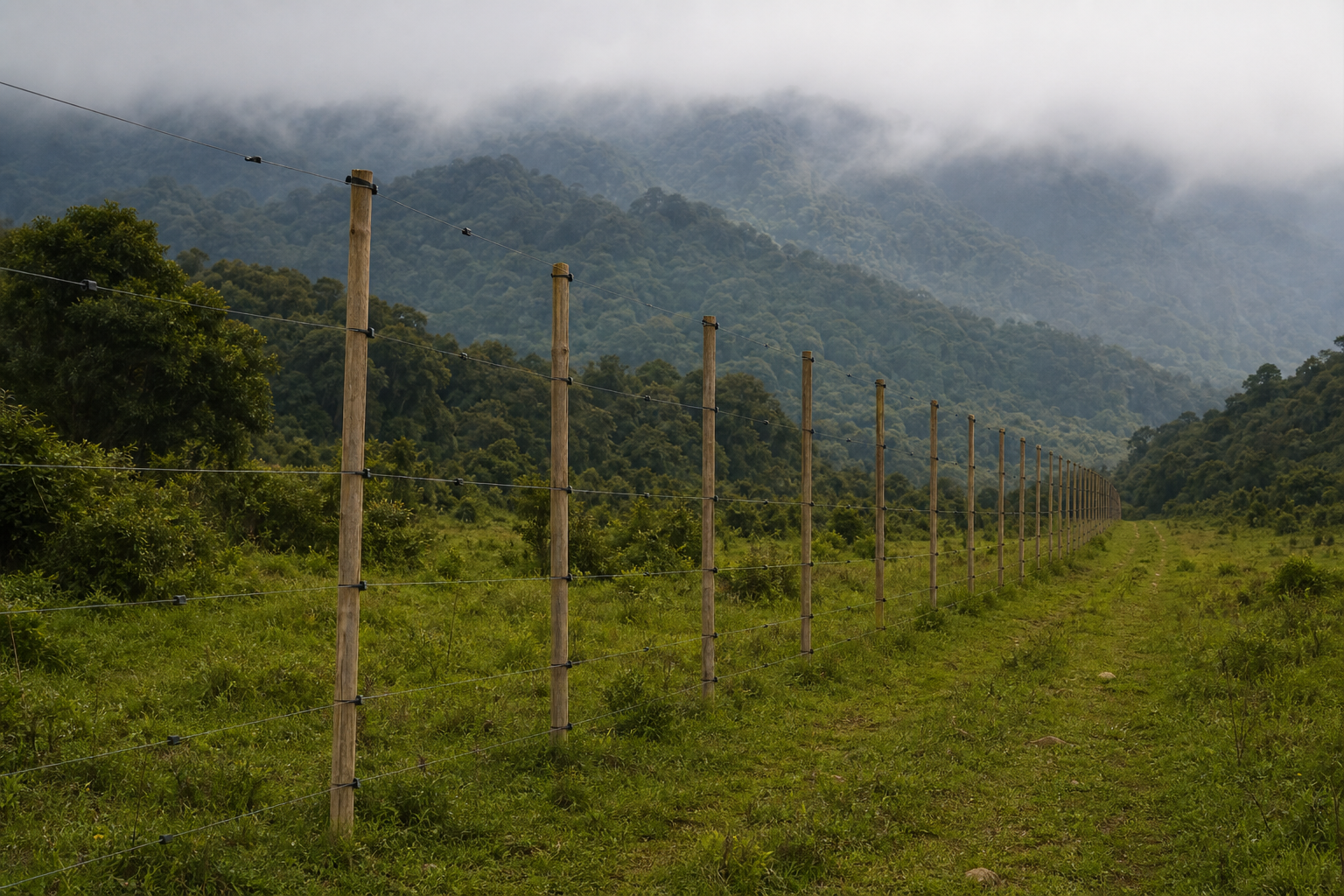
A 38 km salient fence with Kenya Wildlife Service became a 410 km Aberdare ring, then programmes on Mount Kenya, Mau Eburu, Kakamega and the South Western Mau.
The trust still pairs electric fences with patrols, schools, livelihoods and species recovery, reported openly to partners.
What we stand for
Vision
To restore and maintain harmony between humans, habitats, and wildlife across Kenya’s most critical forest and water catchment ecosystems.
Priority areas
- 1
Protection of mountain forests and their diverse wildlife
- 2
Support to, and engagement of, forest-adjacent communities in conservation
- 3
Re-establishment and/or securing of connectivity (wildlife corridors) with and between mountain forests
- 4
Use of science to assess the impacts of, and review, conservation interventions
How we intervene
Practical programmes that protect Kenya’s mountain forest water towers and strengthen partnerships with neighbouring communities.
- Electric conservation fencing and fence management capacity building with KWS and KFS
- Combating wildlife crime and responding to wildfires
- Community-based ground patrols and ecological monitoring
- Aerial surveillance
- Environmental education
- Promotion of bio-enterprise development
- Securing wildlife corridors
Explore
Go deeper into Rhino Ark
Meet the people, see the evidence behind our approach, and find partners at home and overseas. Each card opens a full page.
Approach & strategy
Humans in harmony with habitat and wildlife, in practice
Open pageBoard of Directors
Governance of Rhino Ark Charitable Trust
Open pageOur team
People delivering programmes across Kenya’s mountain forests
Open pageGlobal Ambassadors
Partners who extend awareness and support overseas
Open pageTestimonials
Leaders, partners and forest-edge communities
Open pageInternational
Rhino Ark UK and United States
Open pageContact
Offices and ways to stay in touch
Open page
Film
Watch our story
Documentary celebrating 30 years of Rhino Ark (2018)
May 2022
Quick FAQs
Short answers here. Full FAQs live in the Knowledge Hub.
Who is Rhino Ark?
Rhino Ark Charitable Trust is a Kenyan trust (Trustee Act Cap 167) and registered NGO (NGO Coordination Act, 1990) focused on mountain forests, water catchments and the species that depend on them.
Where are Rhino Ark offices located?
Main offices are at the Kenya Wildlife Service Headquarters Complex on Langata Road in Nairobi. There is a field office for the Aberdare / Mount Kenya ecosystems in Nyeri, and branch offices in the UK and USA.
How and why was Rhino Ark founded?
Ken Kuhle formed the trust in 1988 after poaching and crop raids made coexistence around the Aberdares untenable. The first fix was an electric fence with Kenya Wildlife Service on the Eastern Salient; that success scaled into today’s multi-landscape programmes.
What are Rhino Ark’s vision and mission?
Vision and mission statements are published on the About page and in annual reports. In short: restore balance between people, forests and wildlife, and deliver high-impact conservation that neighbours can feel in daily life.