
People · Aberdares
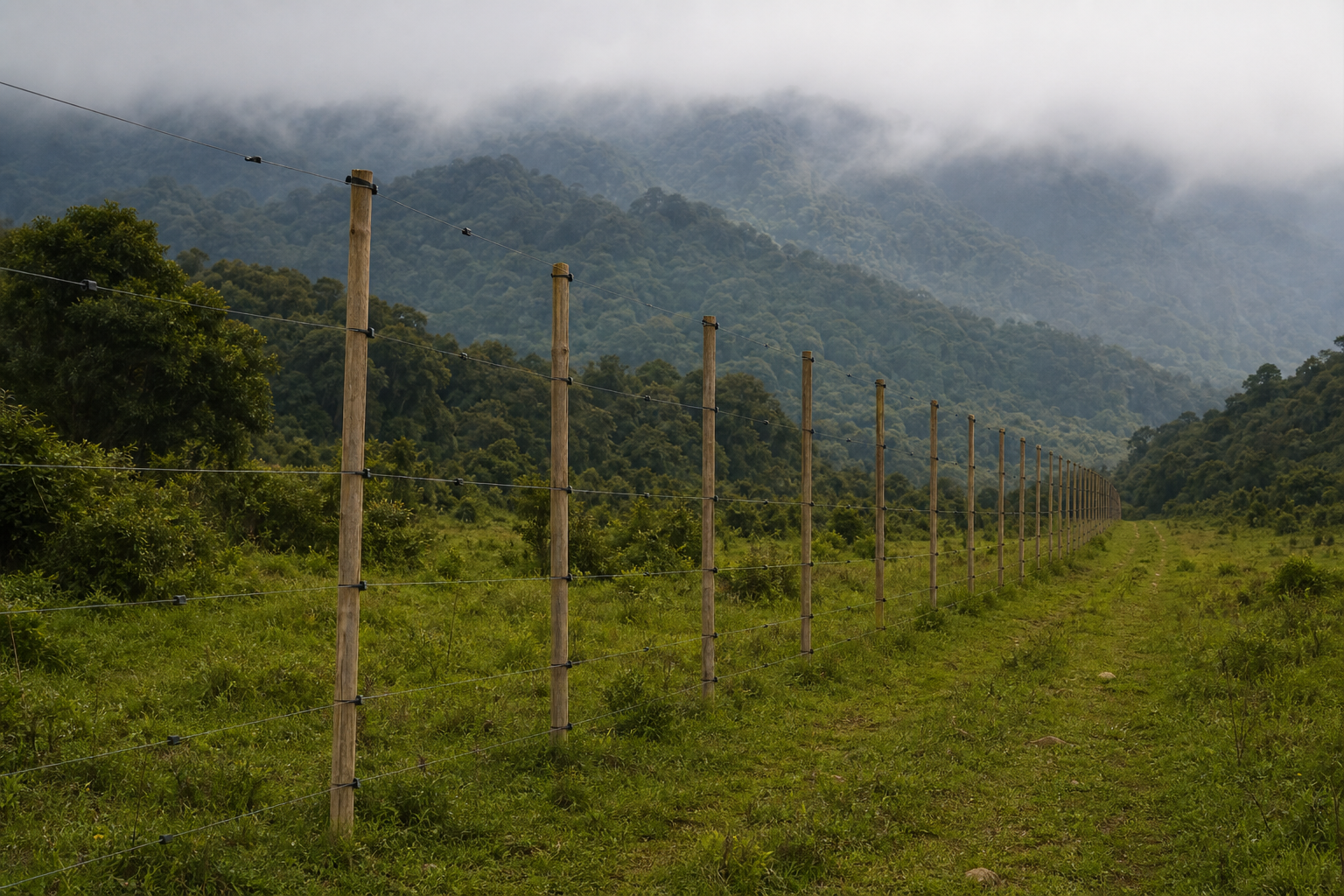
Farms along the Aberdare fence line
Catherine Kinyanjui grew up counting losses, not homework: nine cows and 30 goats taken in a single night before any fence line existed, and nights spent watching for wildlife instead of studying.
The challenge
Catherine Kinyanjui grew up counting losses, not homework: nine cows and 30 goats taken in a single night before any fence line existed, and nights spent watching for wildlife instead of studying.
What Rhino Ark is doing
Rhino Ark and Kenya Wildlife Service built and still maintain the Aberdare electric fence so farms and the water tower can sit side by side with a clear boundary.
People
Today Catherine speaks of problems solved. Wilson Gioko and Beatrice Wanjiru describe holding crops for fair prices and planting maize again. Attendants walk the wire daily; KWS and KFS back them when incidents flare.
“When I was a little girl, before the fence was built, we once lost 9 cows and 30 goats to wildlife in one night. There was such bitterness and desperation in those days. We would spend our nights concentrating on wildlife problems instead of studying. The fence has solved so many problems for us.”
Evidence
Impact reporting puts 90,000 households protected along national fence lines; Aberdare assessments and films are listed under Knowledge for this landscape.
Take action
Help pay the people who keep the Aberdare ring powered, patched and patrolled.